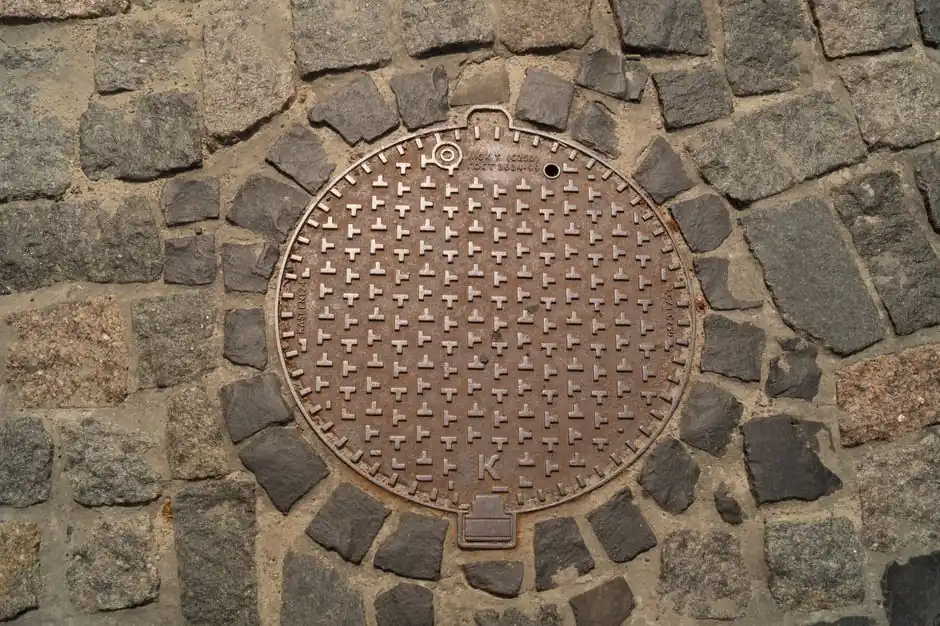
Spring in Plano often brings heavy rain, which can lead to significant drainage issues for homeowners. Preparing your drains for heavy rain in Plano is essential to prevent flooding and costly repairs. This article will cover the risks associated with heavy rain, signs that your drains need attention, and practical steps you can take to prepare your drainage system.
Understanding the Risks of Heavy Rain
Heavy rain can overwhelm your drainage system, especially in areas prone to flooding. In Plano, the combination of clay soil and urban runoff can exacerbate drainage problems. When the ground is saturated, water has nowhere to go, leading to potential backups and flooding.
Some of the risks associated with heavy rain include:
- Flooding in basements and crawl spaces
- Overwhelmed storm drains
- Soil erosion around your property
- Water damage to your home's foundation
Understanding these risks is the first step in implementing effective drain maintenance plans in Plano.
Signs Your Drains Need Attention
Before the heavy rains hit, it's crucial to assess the condition of your drains. Look for the following signs that indicate your drains may need attention:
- Slow drainage in sinks, showers, or tubs
- Unpleasant odors coming from drains
- Visible clogs or debris in outdoor drains
- Frequent backups or overflows
If you notice any of these issues, it's time to consider professional drain cleaning in Plano to ensure your system is ready for the rains.
Steps for Preparing Drains for Heavy Rain
Here are some effective tips for preparing your drains for storms in Plano:
- Clear Debris: Regularly check and clear leaves, dirt, and other debris from your gutters and downspouts. Clogged gutters can lead to water overflow, causing damage to your home.
- Inspect and Clean Drains: Schedule a thorough inspection and cleaning of your drains. This will help identify potential issues and ensure that water flows freely.
- Install Drain Covers: Consider installing drain covers to prevent debris from entering your drainage system. This is especially important for outdoor drains.
- Check for Proper Grading: Ensure that the ground around your home is graded away from the foundation. This will help direct water away from your property during heavy rainfall.
- Consider a Sump Pump: If you frequently experience flooding, a sump pump can help remove excess water from your basement or crawl space.
By taking these proactive steps, you can significantly reduce the risk of flooding and damage to your home during heavy rainfall.
Common Mistakes to Avoid
When preparing your drains for heavy rain, it's important to avoid common mistakes that can lead to bigger problems:
- Neglecting regular maintenance: Failing to clean and inspect your drains regularly can lead to clogs and backups.
- Ignoring warning signs: Don't overlook slow drains or unpleasant odors; these can indicate deeper issues.
- Improperly disposing of waste: Avoid flushing items that can clog your drains, such as wipes or grease.
When to Call a Professional
If you encounter significant issues with your drains, such as persistent clogs or flooding, it's time to call in the experts. Plano Drain Cleaning Specialists can provide comprehensive assessments and services to ensure your drainage system is functioning properly. Regular professional maintenance can save you from costly repairs in the long run.
Frequently Asked Questions
How can I prepare my drains for heavy rain?
To prepare your drains for heavy rain, clear debris from gutters, inspect and clean drains, and ensure proper grading around your home.
What steps should I take to protect my drains in Plano?
Regular maintenance, installing drain covers, and considering a sump pump are effective steps to protect your drains during heavy rainfall.
How often should I clean my drains?
It's recommended to clean your drains at least once a year, or more frequently if you notice slow drainage or other issues.
Can I handle drain maintenance myself?
While some minor maintenance can be done yourself, it's best to consult professionals for thorough cleaning and inspections to avoid damaging your system.
What are the signs of a serious drain problem?
Signs include persistent clogs, foul odors, and water pooling in your yard or basement, indicating a need for professional help.